York Mattress Pad
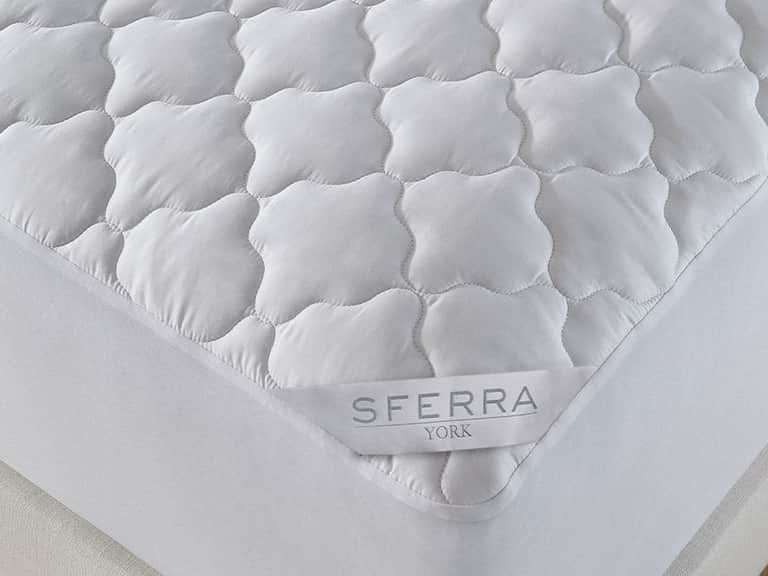
Experience cloud-like loft and balanced comfort with breathable cotton fill, plush 300TC sateen, and a soft, skin-friendly surface — stay cozy night after night with stable loft and easy care.
This guide unfolds the mechanics behind pocketed coil mattresses, translates UK-specific considerations into a clear buying framework, and helps readers compare pocketed coil options with Bonnell springs, memory foam, and hybrid constructions. Written with an editorial, National Geographic-inspired clarity, it aims to empower UK consumers with practical knowledge, transparent evaluations, and durable guidance.
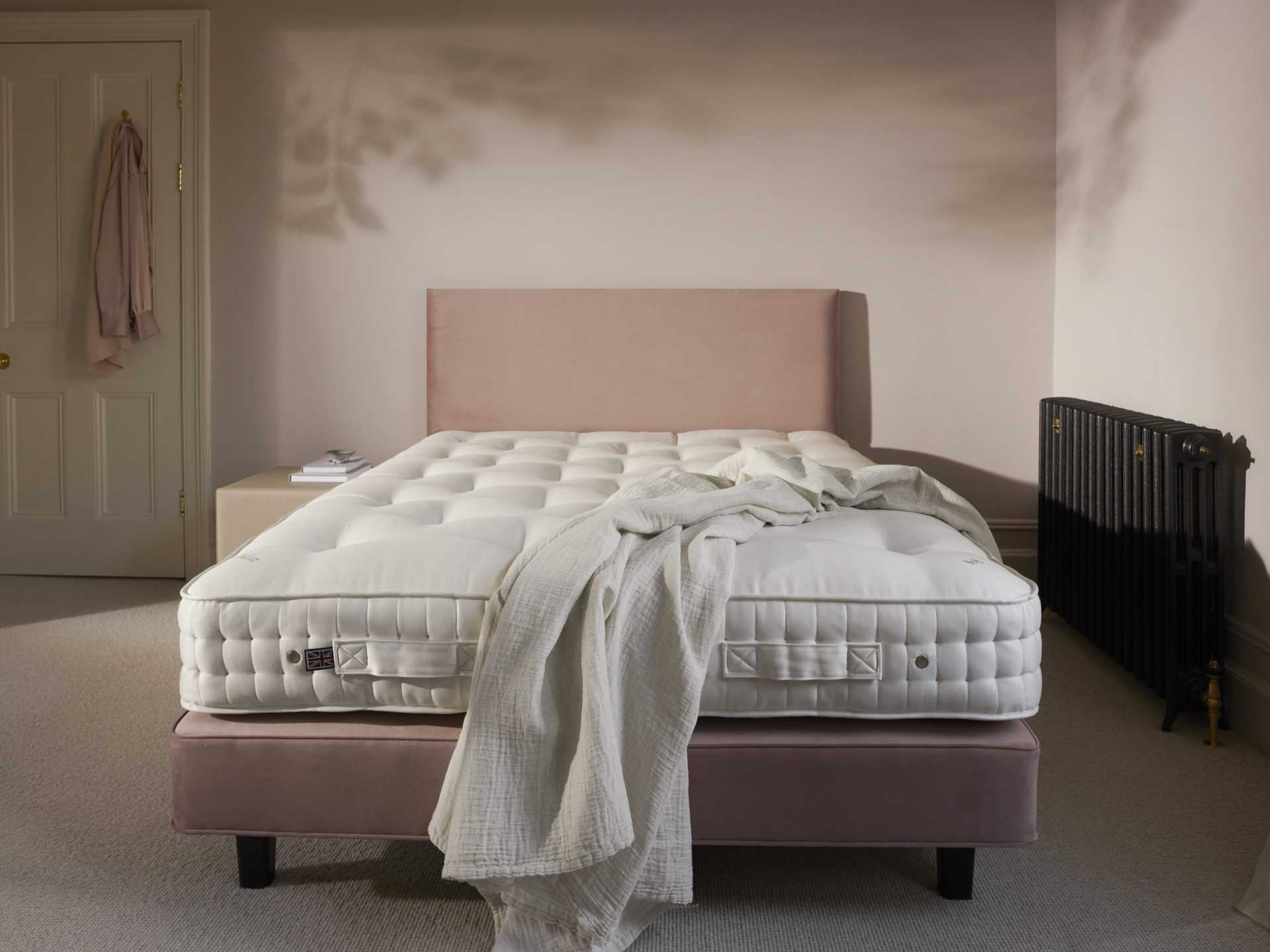
Pocketed coil mattresses distinguish themselves through a fabric pocket for each spring. Unlike traditional open-coil systems, every coil is individually wrapped, allowing it to respond to localized pressure rather than acting as a single rigid matrix. This arrangement yields two primary benefits that matter to sleep quality: superior motion isolation and targeted support that adapts to the contours of the sleeper’s body.
In practice, the spring unit is a precise orchestra. The coil gauge, count, and the distribution across the mattress surface influence the balance between support and conformity. A higher coil count generally provides more zones of support and a smoother transition from the shoulders to the hips. Conversely, denser coils in the center can bolster lumbar support where it is most needed. The fabric pockets between the springs help reduce friction and distribute pressure more evenly, while the upholstery layers—such as memory foam, latex, or wool—shape the feel and durability over time.
From a physics perspective, pocketed coils demonstrate a decoupled response: one area compresses without transferring significant motion to adjacent regions. This characteristic is particularly valuable for couples sharing a bed, where one partner’s movement can otherwise disturb the other. The result is a sleep surface that can maintain alignment and comfort across a range of positions, from back sleepers to side sleepers who rely on precise shoulder and hip relief.
Buying a mattress in the United Kingdom requires attention to standards, warranties, comfort preferences, and practical logistics. The pocketed coil mattress category overlaps with a broad spectrum of price points, materials, and manufacturing philosophies. To navigate this landscape, readers should consider several non-negotiable factors:
In the UK, readers should also be aware of the influence of enshrined consumer protections, especially around returns for unsuitable purchases and the role of reputable retailers. The goal is to separate demonstrable performance from marketing claims, and to anchor decisions in personal comfort tests and verified information.
When evaluating pocketed coil mattresses, it’s useful to place them on a spectrum that includes Bonnell coil designs, memory foam models, and hybrids that combine coils with foam or latex layers. Each category offers distinctive advantages, and understanding these can sharpen decision making.
Bonnell systems consist of interconnected springs. While durable and cost-effective, Bonnell designs can transmit movement across the bed, reducing motion isolation and potentially increasing partner disturbance. Pocketed coils, by contrast, isolate movement thanks to individual sleeves. For sleepers who share a bed, the pocketed configuration typically yields quieter performance and more precise contouring.
Memory foam excels at pressure relief and body-mimicking comfort, but its response to temperature can vary. In many UK climates, memory foam layers in a pocketed coil mattress provide a soft initial feel and gradual support as the foam warms and softens. A hybrid approach—pocketed coils paired with memory foam—often seeks to blend the best of both worlds: the support and motion isolation of coils with the pressure-relieving properties of foam.
Hybrid pocketed coil mattresses can use latex, wool, or breathable foams as top comfort layers. Latex contributes to resilience and a buoyant feel, while natural wool adds temperature regulation and moisture management. These elements can influence sleep temperature, edge support, and overall long-term durability. In the UK market, hybrids often target sleepers seeking a balance of support, contour, and cooling performance.
- Light sleepers or couples with different preferences may benefit from higher coil counts and firmer edge support to minimize motion transfer at the perimeters.
- Side sleepers commonly require targeted shoulder and hip relief; a medium to medium-firm feel with adequate pressure distribution is often ideal.
- Heavier individuals may prefer firmer constructions with reinforced edge support and thicker comfort layers to maintain spinal alignment and reduce sag over time.
To empower readers to make informed purchases, this section presents a practical framework for evaluating pocketed coil options in UK markets. The approach emphasizes transparency, verification, and a structured testing mindset rather than reliance on marketing claims alone.
A disciplined, informed approach reduces the risk of post-purchase disappointment and aligns expectations with the realities of UK sleep environments and living spaces. The aim is a mattress that remains supportive, comfortable, and easy to maintain across years of use.
To support readers in navigating product descriptions and retailer literature, here is a concise glossary of terms commonly encountered in pocketed coil mattresses and related bedding conversations:
For readers who seek deeper understanding beyond consumer-facing descriptions, credible sources on sleep science, ergonomics, and bed technology can illuminate how mattresses influence comfort and health. While this guide remains non-dogmatic, it points readers toward evidence-based discussions about sleep position, pressure distribution, and the role of mattress architecture in maintaining spinal alignment through the night.
In this resource, we prioritize transparent information, cross-checking practical claims with established knowledge about materials, engineering practices, and consumer protections. The aim is to foster confident decision-making for UK households seeking a durable, comfortable pocketed coil mattress without pressure from commercial agendas.
While this article maintains a non-commercial stance, it recognizes that practical sleep environments require compatible components. If you are considering a mattress upgrade as part of a holistic bedding system, the York Mattress Pad can complement a pocketed coil mattress by providing an additional layer of loft, breathability, and ease of care. The York pad, crafted with a breathable cotton shell and a down-alternative fill, offers a quiet, cushioned interface that interacts with the top layers of the bed, potentially contributing to an even, stable feel without sacrificing temperature regulation.
Product description (for reference): York Mattress Pad is a luxury down alternative pad filled with 100% premium cotton, pairing breathable fill with a 300TC cotton sateen exterior. It’s designed for easy care, with careful laundering to maintain loft and prevent clumping. Its construction prioritizes comfort and surface quality, aligning with UK households seeking a refined sleeping surface that complements pocketed coil systems.
Pocketed coil mattresses embody a balance of localized support, motion isolation, and adaptable comfort. For UK readers, the buying journey benefits from a disciplined approach that foregrounds practical testing, transparent materials, and flexible trial options. By focusing on the fundamentals—coil construction, comfort layers, edge support, and warranty coverage—consumers can compare pocketed coil options with Bonnell, memory foam, and hybrid constructions with greater confidence.
The recommendations laid out here aim to guide shoppers toward durable, comfortable sleep surfaces that align with the realities of UK homes and sleeping rhythms. This editorial resource remains committed to clarity, evidence, and non-commercial integrity, offering a thoughtful, research-informed path to better nights and brighter mornings.
This article sits within a broader UK-focused information platform dedicated to pocketed coil mattresses and related bedding considerations. Future content could include a 12-week content plan featuring detailed explainers, buyer guides, comparisons, and care tips; a glossary hub with layperson-friendly definitions; and a series of UK-specific regulatory notes and retailer-agnostic reviews. The emphasis remains on trustworthiness, accessibility, and useful, non-sales-driven information.
York Mattress Pad — a product that complements pocketed coil systems by adding a breathable, loft-maintaining top layer. Link: York Mattress Pad